// {Code} · Desk — portfolio.config.tsimport { createSite } from './lib/core'; export const site = createSite({ name: '{Code} · Desk', role: 'Frontend Developer & Designer', stack: ['TypeScript', 'React', 'Next.js', 'GSAP'],}); type Section = { id: string; title: string; theme: 'light' | 'dark';}; const sections: Section[] = [ { id: 'about', title: 'About', theme: 'light' }, { id: 'work', title: 'Work', theme: 'light' }, { id: 'service', title: 'Service', theme: 'dark' }, { id: 'contact', title: 'Contact', theme: 'dark' },]; export function renderSections() { return sections.map((section) => { const node = mount(section.id); node.dataset.theme = section.theme; return node; });} async function build() { console.log('polishing pixels...'); await Promise.all([ optimizeImages(), inlineCriticalCss(), prefetchFonts(['Pretendard', 'Cormorant Garamond']), ]); return 'ready';} export default build;
About — 01 / 03
Empathize, Express, Connect
UI/UX는 이 세 단계의 끊임없는 반복입니다. 사용자의 목적과 불편함에 공감하고, 누구나 이해할 수 있는 직관적인 화면으로 표현하여, 결국 사용자와 서비스를 매끄럽게 연결하는 것.






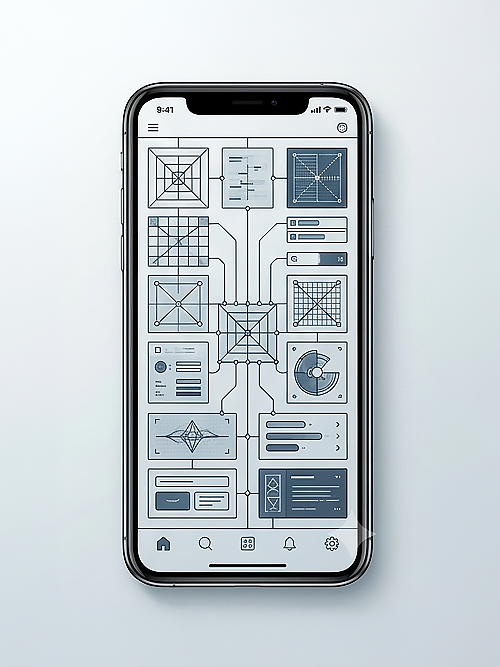

















How I Work
매번 다른 산업, 다른 사용자, 다른 예산 환경에서 작업해 왔습니다. 그럼에도 제가 흔들림 없이 지켜온 다섯 가지 설계 기준이 있습니다.